

A mental block, in this context, describes the experience of wanting to act but feeling internally stuck when faced with a familiar step. “Freeze” can describe this state of paralysis, but it neither identifies its cause nor constitutes a diagnosis. When knowledge, time, or energy are lacking, these obstacles require their own solutions. EMDR Self-Coaching can be considered as a possible approach when a specific, manageable everyday situation is linked to a distressing thought, a feeling, and physical resistance.

You can pinpoint exactly which change should go into the sketch next. The pencil is in your hand, and the spot in question is marked. Yet you don’t start drawing. Your gaze lingers there, your arms feel heavy, and all you can think is, “I can’t.”
You still know exactly what needs to be changed about the outcome. This discrepancy illustrates what it’s like to experience a block: the knowledge of what the next step is and the ability to take it right now are out of sync.
What the word “blockade” describes and what it leaves open
Talking about a mental block can help express this contradiction. First and foremost, it means that something is holding you back. The term itself doesn’t specify whether the cause is a stressful expectation, exhaustion, an inner reservation, or some other obstacle.
The term “freeze” is also often used in everyday life to describe a feeling of being frozen. However, heavy arms, becoming still, or a blank mind do not indicate a specific state of the nervous system. Nor does this experience prove that trauma has occurred. A description of your perception is not yet a medical explanation.
Furthermore, a mental block doesn’t have to occur only when you’re just getting started. You might already be working on something and get stuck at a certain point—for example, when you’re supposed to come up with your own solution. It’s helpful to understand why this particular step takes on a different meaning than the ones that came before it.
When an action also foreshadows something unpleasant
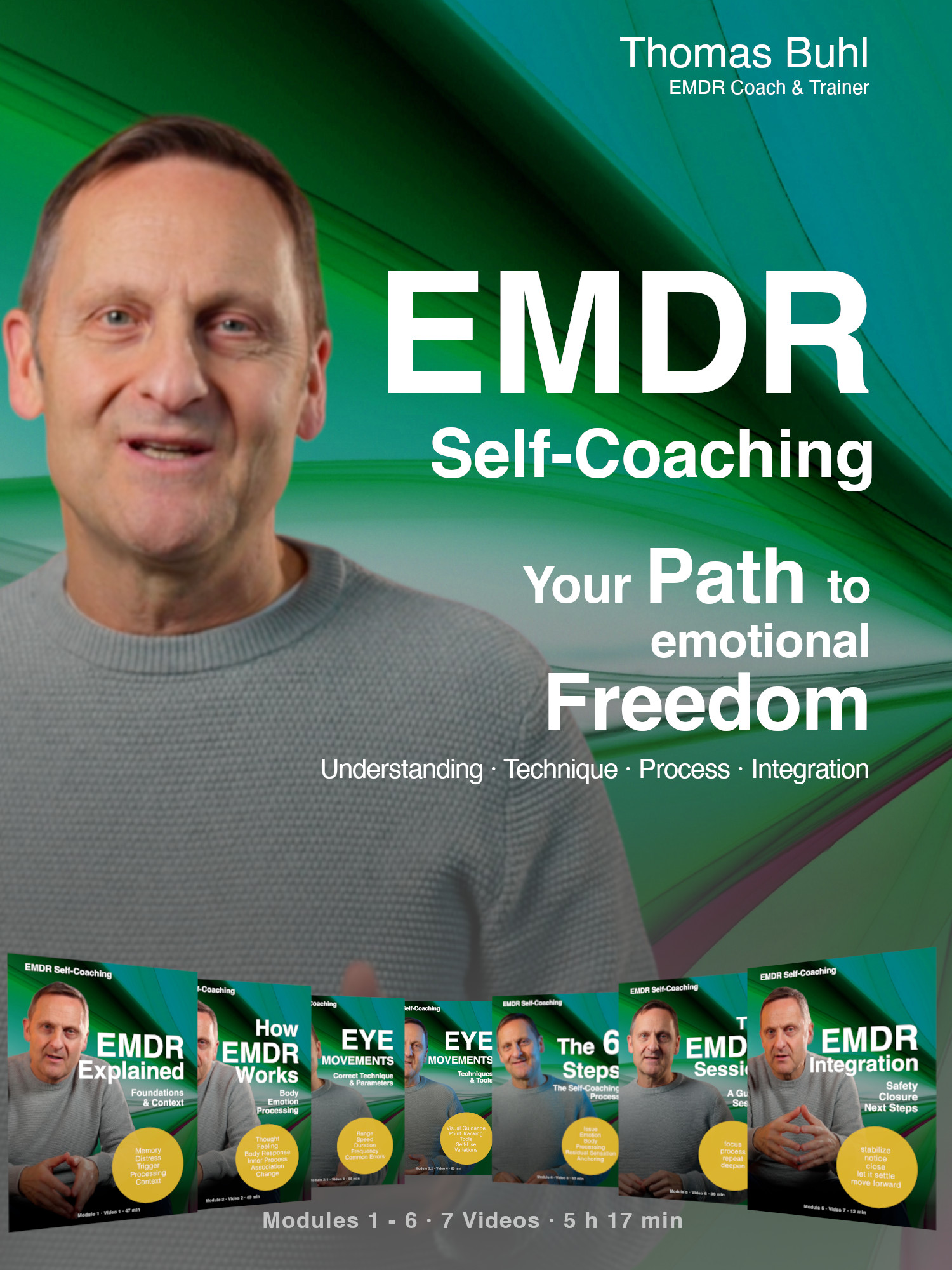
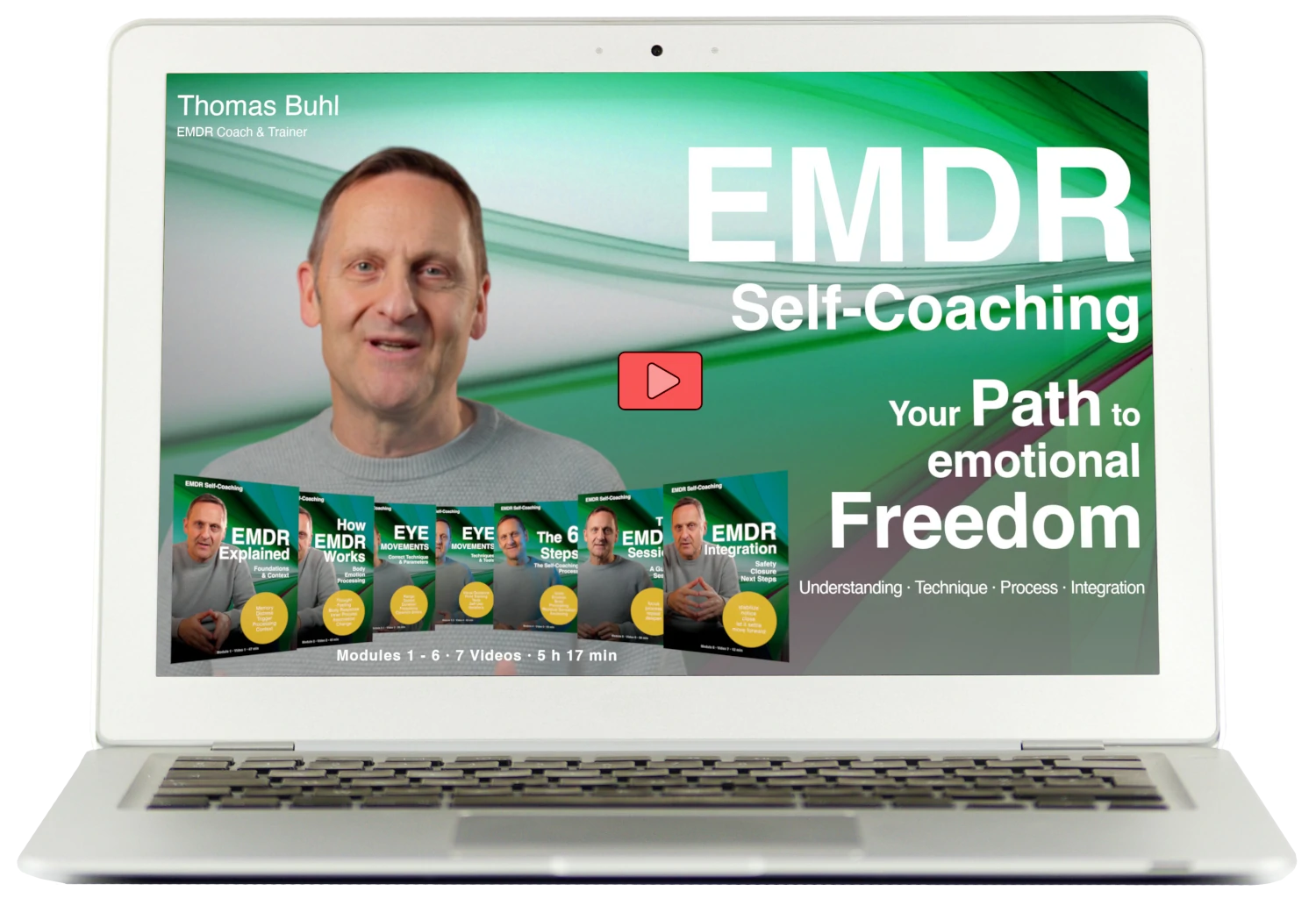
In his book and tutorial, Thomas Buhl describes a model of protection and avoidance: Past traumatic experiences can influence how a current situation is assessed. As a result, a step that is objectively manageable may be associated with the expectation of criticism, shame, or being overwhelmed.
This perspective also underlies his previous explanation of mental blocks. It is a possible explanatory model for specific experiences, not a universal cause of every inhibition. You don’t have to find a past event or attribute every unpleasant task to past experiences.
When sketching, the goal might be to visually capture your own idea. “I can’t” might then be linked to the fear of drawing a useless solution. Added to that are feelings of uncertainty or shame and a heavy sensation in your arms. For you, this step involves more than just a line on paper.
In Buhl’s model, refraining from action can protect you from this anticipated stress. At the same time, it leaves the task unresolved. This explains why a reaction can provide short-term relief but be counterproductive in the long run. It does not have to be a deliberate choice to influence your behavior.
Why a More Detailed Work Plan Sometimes Helps and Sometimes Doesn’t
If the next step isn’t clear, a better plan can actually solve the problem. Maybe you know what the final result should look like, but you don’t know what change will get you there. In that case, you’re missing concrete instructions. This is different from a situation where you can explain the steps but still freeze up when it comes time to take action.
A lack of energy should also be taken seriously. After an exhausting day, even a simple task can feel difficult. Taking a break, lightening the load, or setting more realistic expectations are more obvious solutions than looking for an emotional block. Inner work doesn’t create extra time and is no substitute for rest.
Finally, it’s worth asking yourself whether you want to pursue this project at all. An unresolved reservation is different from an inability to act. Perhaps the assignment doesn’t seem worthwhile to you. It’s okay to voice that feeling at first, rather than treating every bit of resistance as something that needs to be eliminated.
If the inhibition persists even when the step is intentional, understood, and feasible, the specific reaction becomes interesting. What significance does this step hold for you? This is precisely where a factual analysis can be supplemented by an examination of your inner experience.
From the general “I’m stuck” to a concrete topic
For a potential self-administered EMDR session, you can keep the focal point narrow: the pen in front of the marked spot, the thought “I can’t,” the uncertainty, and the perceived heaviness. You work with this specific aspect. The word “Freeze” itself is not an issue that needs to be processed.
The six-step approach developed by Thomas Buhl combines a selected topic with the awareness of emotions and bodily sensations, as well as bilateral stimulation. Guided eye movements are part of the complete process. The goal is to address the associated stress, not to validate an explanation about your nervous system.
To use EMDR on your own, you must first have a thorough understanding of the process and its limitations. Self-coaching should be limited to manageable, non-pathological everyday issues. You may stop at any time; if you feel overwhelmed or are dealing with traumatic content, professional guidance is required. If you experience persistent, severe lack of motivation or significant limitations, it is advisable to seek a professional evaluation.
You’ll gain a clearer understanding of the block if you can distinguish between two statements: “I don’t know yet how to take this step” and “I know how, but even the thought of it weighs on me.” This sketch illustrates the difference clearly. It helps you choose the right kind of support without jumping to the conclusion that you’re sick or undisciplined.